Quick Summary
Wash and fold and dry cleaning serve two different purposes, and using the wrong one can damage the pieces you care about most. Care labels, fabric type, and garment structure are the most reliable guides for choosing between the two. Everyday items like cotton, denim, and linens handle water well, while wool, silk, and tailored pieces need the gentler, solvent-based dry cleaning process to hold their shape and finish. Using both services together covers a full wardrobe without overspending.
Your laundry basket probably has a little bit of everything in it. A few cotton tees, a silk blouse, maybe a suit jacket from last week. The problem is, not all of them get cleaned the same way, and using the wrong method can shorten the life of pieces you genuinely love. At United Laundré, we see this come up all the time. So here’s a straightforward breakdown of wash and fold vs. dry cleaning to help you make the better call for your wardrobe.
Wash and Fold Vs. Dry Cleaning: The Core Difference
The simplest way to think about it is this: wash and fold uses water; dry cleaning does not.
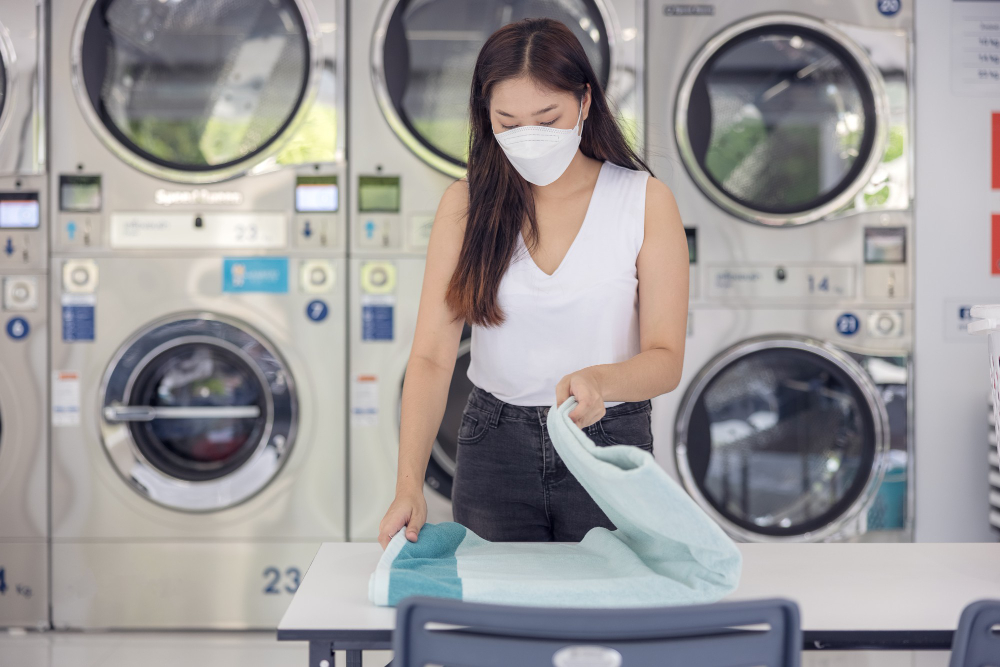
Wash and dry fold is the go-to for your everyday laundry. Your clothes are sorted, washed in water with quality detergent, dried, and returned to you folded and fresh. It’s the service built for the items you reach for constantly: cotton tees, jeans, bed sheets, casual button-downs, underwear, gym clothes, and anything else that can handle heat and water without issue.
Dry cleaning works on a completely different principle. Instead of water, garments undergo a solvent-based process that lifts oil-based stains and dirt without introducing moisture into the fabric. The agitation is much gentler, which is why it’s the preferred method for structured, delicate, or high-value pieces that water could damage.
How to Know Which Service Your Clothes Actually Need
Start with the care label. It’s there for a reason, and it tells you more than you might think.
Labels that say “machine wash” or “hand wash” signal that water is fine. Labels that say “dry clean only” are not a suggestion. Water can shrink, warp, or permanently distort those garments. Labels marked “dry clean recommended” offer a little more flexibility, but professional cleaning is still the safer path.
Beyond the label, fabric type is a reliable guide:
Wash and fold works well for:
- Cotton and cotton blends
- Denim and casual pants
- Everyday shirts and basics
- Towels, sheets, and pillowcases
- Gym wear and casual activewear
Dry cleaning tends to be the better option for:
- Wool suits and structured blazers
- Silk blouses and delicate dresses
- Linen garments prone to wrinkling
- Tailored or fitted jackets
- Vintage or sentimental pieces
- Anything labeled “dry clean only.”
When in doubt, especially with a piece you’d hate to ruin, go with dry cleaning. It’s a gentler process overall, designed to preserve shape, texture, and color in ways water simply cannot.
What Wash and Fold Involves
There’s a lot more to a professional NYC laundry service’s wash and fold than throwing clothes in a machine and calling it done.
At our facility, clothes are sorted before anything touches water. We pay attention to colors, fabric weights, and any special instructions you’ve noted.
Commercial-grade Electrolux Professional machines handle the washing and drying, and you get to choose your detergent, fabric softener, scent infusion, and stain-fighting preferences.
The result is clean, fresh, properly folded laundry returned to you without you having to lift a finger or haul a single bag anywhere.
What Dry Cleaning Involves
The dry cleaning process starts with a full inspection of each garment. Stains are pre-treated before anything goes into the machine. From there, the solvent does its work, dissolving oil-based soils and lifting stains from the fabric without the stress that water and agitation would cause.
After cleaning, garments go through a finishing stage. This is where dry cleaning earns its reputation. Professional pressing and steaming restore a jacket’s structure, crisp up a collar, and produce the polished result you’d expect from a tailored piece.
What Happens When You Use the Wrong Cleaning Method
It’s one of those things you only learn the hard way. A favorite sweater comes out of the wash two sizes smaller. A structured blazer loses its shape after one spin in the dryer. A silk blouse develops a watermark that never fully disappears.
These outcomes are frustratingly common, and they almost always trace back to the same cause: the wrong cleaning method for the fabric.
Water is harder on clothes than people tend to assume. Heat from a dryer compounds that. Fabrics like wool felt shrink when exposed to warm water and agitation. Silk can develop permanent staining from moisture alone. Structured garments rely on interfacing and tailoring that water simply breaks down over time.
Dry cleaning solvents, on the other hand, are formulated to clean without introducing moisture or mechanical stress. The process is gentler at a fiber level, which is why garments that go through it consistently tend to hold their color, structure, and finish longer.
The reverse is also worth noting. Sending a basic cotton tee to dry cleaning when wash and fold would do the job just fine is an unnecessary expense. Dry cleaning is not a premium upgrade for everything. It’s a specialized process for specific fabrics and garment types. Knowing where the line sits saves you money and keeps your clothes in better shape across the board.
A few signs you may have used the wrong method in the past:
- Shrunken necklines or sleeves on knitwear
- A suit jacket that no longer sits flat at the shoulders
- Colors that have faded faster than expected
- Fabric that feels stiff or rough after washing
- Silk or satin with water ring marks
None of these is an irreversible warning to stop you from doing laundry. They’re just signals that a particular piece needs a different approach going forward.
Clean Clothes, Less Hassle
Knowing the difference between wash and fold vs. dry cleaning means your wardrobe gets treated the way it deserves, without the guesswork or the risk of a ruined piece.
If you’ve got a mix of everyday basics and a few pieces that need more careful handling, the answer is usually to use both services. We make that easy, with free pickup and delivery seven days a week across Manhattan.
Have questions about what goes where? Connect with us today.
FAQs
It happens, and the results vary. Wool and silk are the most vulnerable, with shrinkage or distortion likely. Structured garments can lose their shape permanently. Always sort before you send, or let your laundry provider know if you’re unsure about a specific piece.
It handles oil-based stains, including grease, makeup, and food residue, very well. Water-based stains like sweat or mud can be trickier. Pre-treating and flagging specific stains for your cleaner before drop-off gives the best chance of full removal.
Vintage garments sometimes have no label at all. When that’s the case, fabric feel and construction are your guide. Anything structured, lined, or made from a natural fiber like wool or silk should go to a professional cleaner rather than through a standard wash cycle.